How to Improve Natural Light Without Major Renovations
29 November 2026
Natural light is one of the few home features that consistently shows up on buyer wish lists, and for good reason. It affects how a room feels, how colors read, how photographs look online, and even how much you enjoy spending time in a space. The problem is that most homes were not designed with light in mind. Builders positioned windows for street appeal, privacy, or structural convenience, not for the way sunlight moves through a room at different times of day.
The good news is that you do not need to knock down walls or add skylights to make a meaningful difference. Many of the most effective improvements are inexpensive, reversible, and achievable over a weekend. Some cost less than a hundred dollars. Others require a bit of planning but still fall well short of a full renovation. This guide walks through the full range of options, from quick fixes to moderately involved projects, and explains the reasoning behind each so you can judge what will actually work in your home.
Start by Understanding How Light Enters and Moves
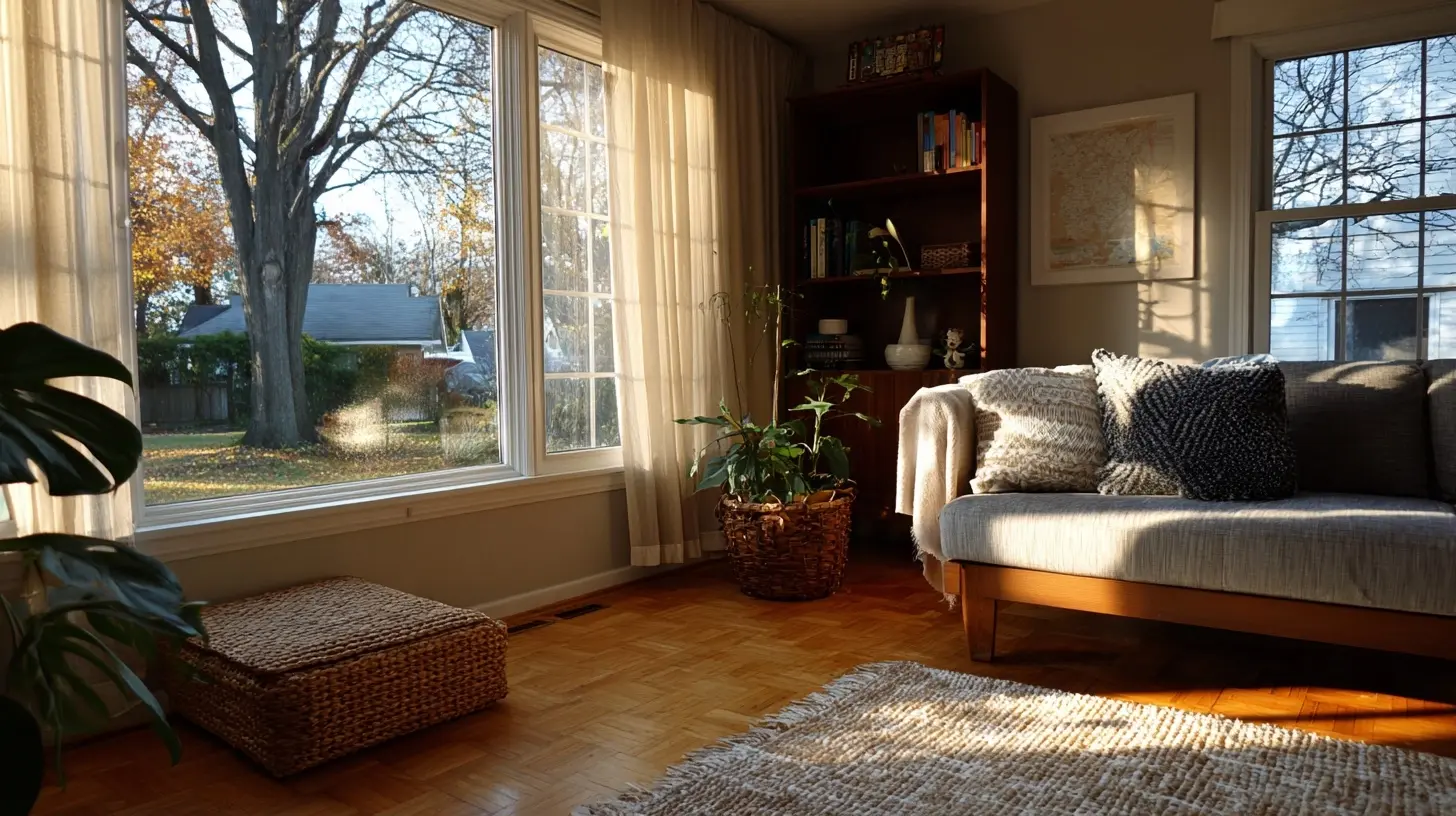
Before buying a single mirror or swapping a lampshade, spend a day observing your rooms. Light behavior changes hour by hour, and a room that feels gloomy at 9 a.m. may be flooded with sun by 2 p.m. Note which windows face which direction, where shadows fall, and which surfaces catch light.A few fundamentals matter here. North-facing windows receive soft, indirect light throughout the day, which is flattering but rarely bright. South-facing windows get strong light for most of the day. East-facing windows deliver bright morning light that fades by afternoon. West-facing windows are dim in the morning and intense in the late afternoon, sometimes to the point of glare.
Also pay attention to what sits between the window and the room. A mature hedge, a covered porch, a deep roof overhang, or a neighboring building can cut incoming light dramatically. Sometimes the biggest obstacle is outside the house, and no interior change will fully compensate. Knowing this upfront prevents wasted spending.
One more concept worth internalizing: light travels in straight lines and bounces off surfaces. Every improvement you make either lets more light in, blocks less of it, or redirects it deeper into the room. Framing your options that way makes the whole project easier to reason about.
Clear the Path: The Cheapest Wins Come First
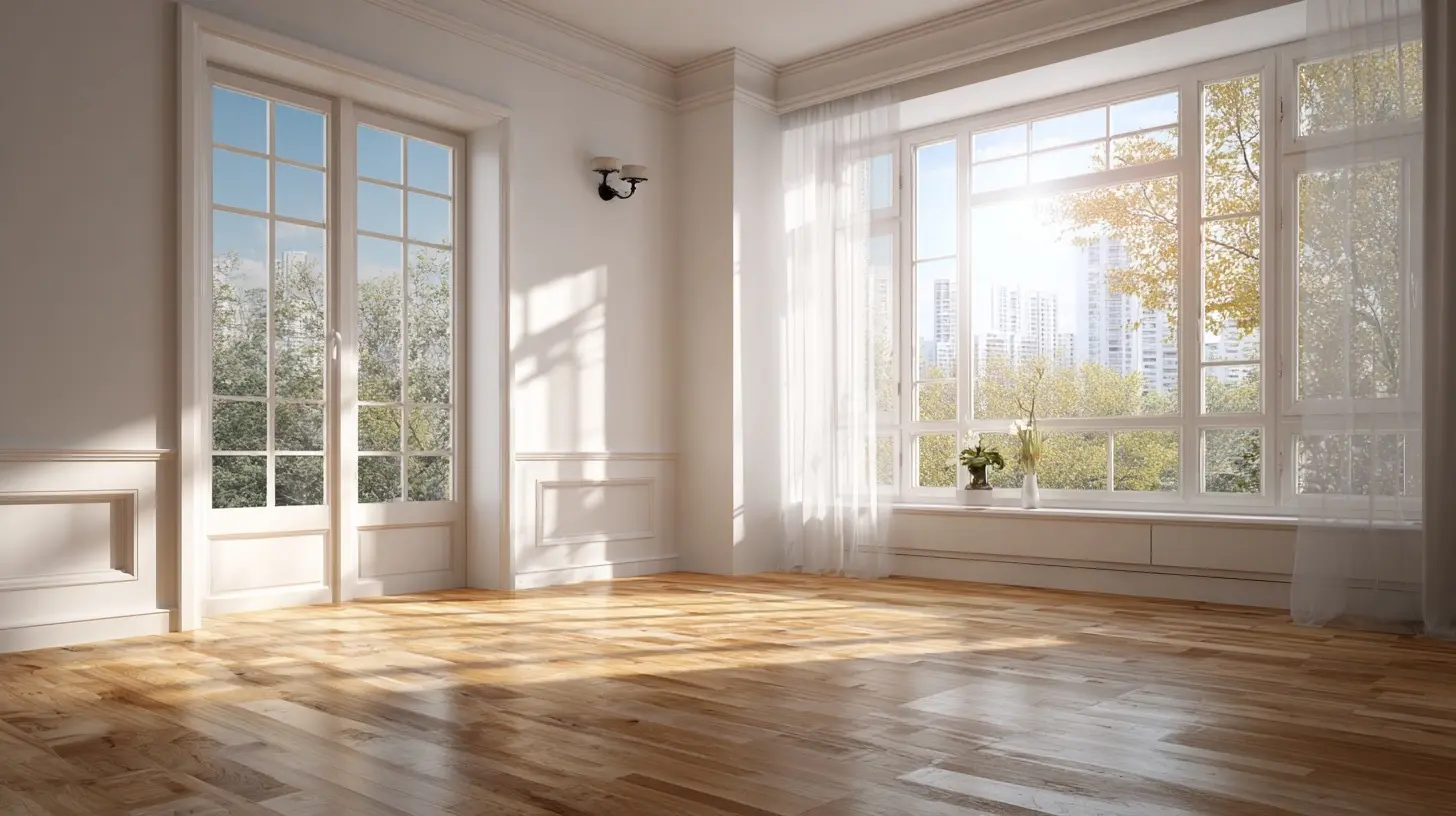
The single most effective step in most homes costs nothing. Windows accumulate dust, pollen film, and cooking residue, and even a thin layer noticeably reduces transmission. Clean glass inside and out, including the tracks and the corners where frames meet glass.Then look at what is covering the glass. Heavy drapes pulled halfway across a window can eliminate a third of your daylight. Furniture placed in front of a window blocks light at exactly the height where it matters most. Tall bookcases, refrigerators, and even large potted plants create shadows that read as gloom.
Walk through each room and ask a simple question: what is standing between this window and the rest of the space? Sofas backed against windows, desks turned sideways to face a wall, and beds pushed into the brightest corner all waste available light. Sometimes rearranging a single piece of furniture transforms a room more than any product you could buy.
Trim overgrowth outside as well. Shrubs and tree limbs that have crept toward the glass over the years are a common and overlooked culprit. You do not need to remove a tree. Selective pruning that opens the window's sightline to the sky often restores hours of direct light.
Rethink Your Window Treatments
Window coverings are where most homes lose the most light, and also where the biggest improvement is available without touching the structure.Choose the Right Style for the Room
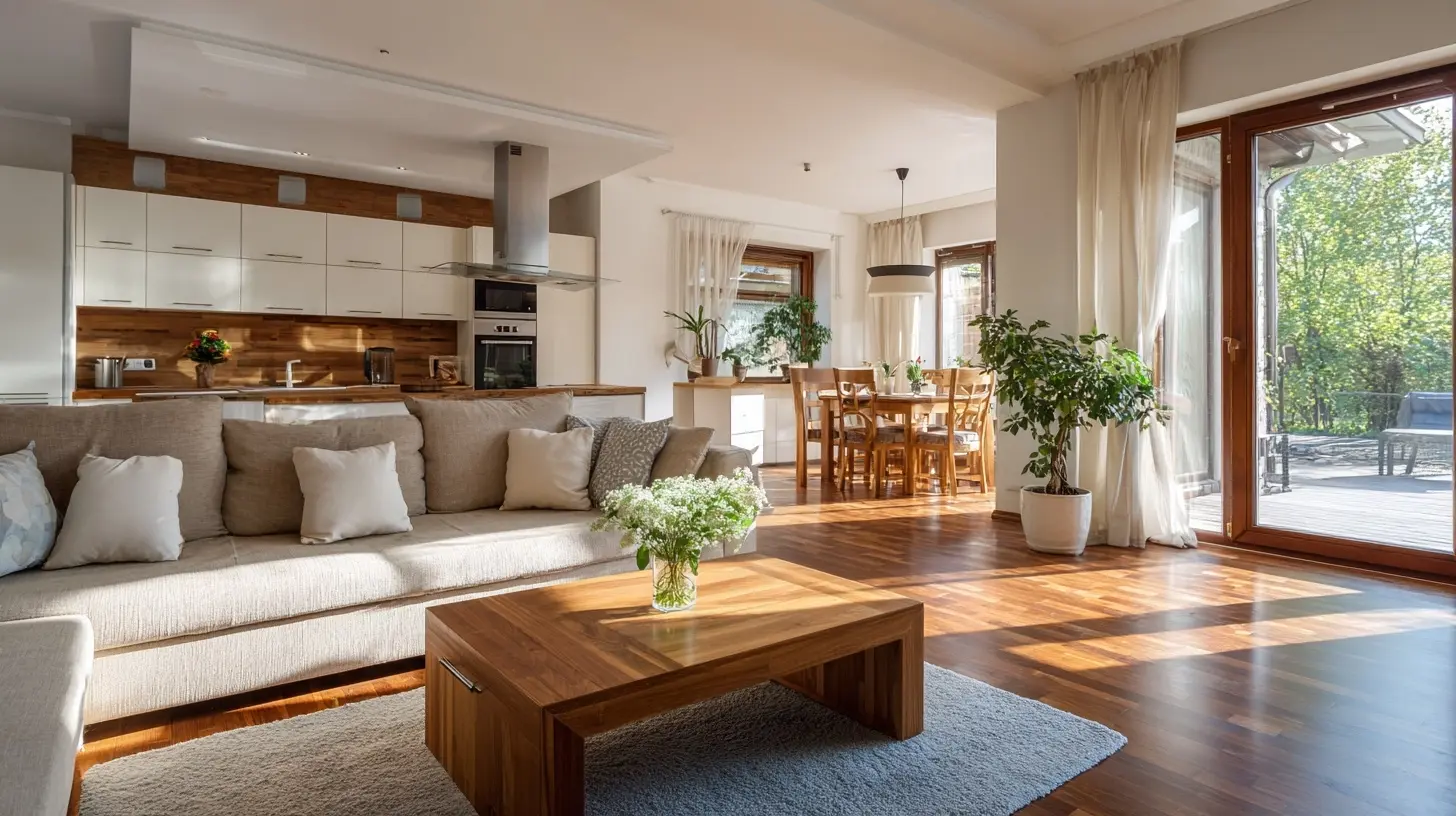
Heavy curtains with valances and pelmets are light traps. They cover the top of the window, where incoming light is strongest, and their bulk absorbs what passes through. If you love the look of curtains, mount the rod well above the window frame and extend it beyond the sides so that when the curtains are open, the fabric sits over the wall rather than the glass. This trick alone can add a surprising amount of brightness and also makes windows appear larger.Roman shades and roller blinds are better than heavy drapes because they stack tightly at the top. Cellular shades are excellent for insulation but can dim a room when drawn. The best approach for daylight is often a layered system: a sheer or light-filtering layer for privacy during the day, plus a heavier layer you close only at night.
Consider What You Give Up
Sheer curtains diffuse light beautifully and preserve privacy, but they reduce brightness somewhat and can look tired if they wrinkle. Bare windows maximize light but sacrifice privacy and can create glare. Shutters and blinds offer control but block more light than most people expect when partially closed. There is no universally correct answer. Match the treatment to how the room is used. A home office needs glare control. A living room used mostly in the evening can afford to stay open during the day.Fix the Hardware
Sticky blinds that never fully retract, curtains that drag on the floor, and broken tilt mechanisms all encourage people to leave windows half covered. Repairing or replacing hardware is inexpensive and often restores light people did not realize they were missing.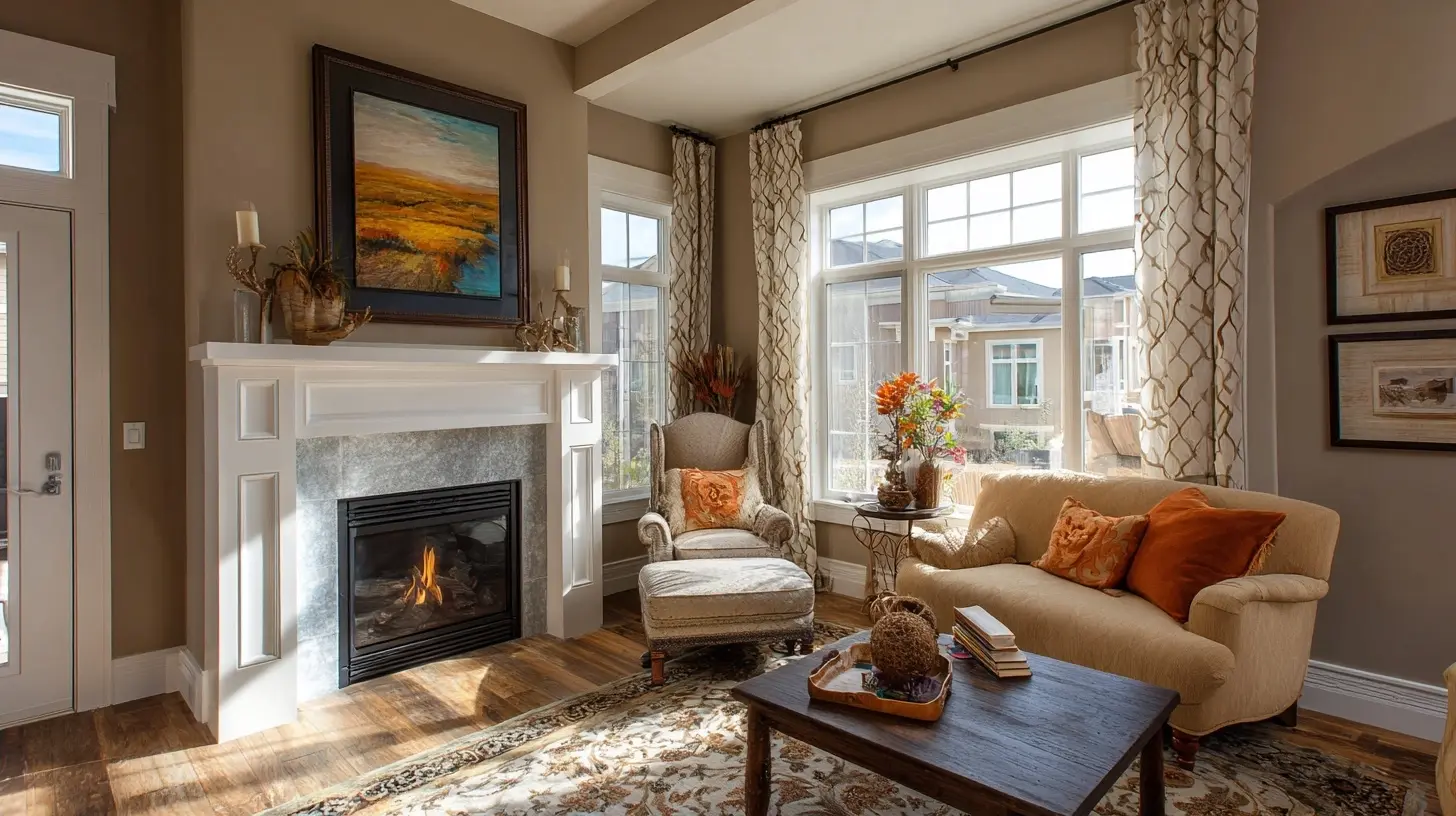
Use Color and Finish to Amplify What You Have
Light bounces off surfaces, and the color and sheen of those surfaces determine how much of it reaches the back of the room.Paint Strategically
White walls reflect more light than dark ones, but pure bright white is not always the answer. In north-facing rooms, stark white can read cold and gray. Warm whites, soft creams, and pale greige tones reflect nearly as much light while keeping the room comfortable. The key is to choose a shade with a high light reflectance value, which paint manufacturers publish on their color chips. A paint with a reflectance value above 80 percent will bounce a large share of incoming light.Ceilings deserve special attention. A white or near-white ceiling acts as a reflector, pushing light down into the room. Dark ceilings absorb light and make spaces feel lower and dimmer. If your ceiling is currently a strong color, repainting it is one of the highest-return changes you can make.
Choose the Right Sheen
Gloss and semi-gloss finishes reflect more light than matte finishes, but they also show imperfections. A practical compromise is eggshell or satin on walls, which reflects meaningfully more light than flat paint while hiding minor flaws. Gloss works well on trim and ceilings in rooms where you want maximum bounce.Think About Floors and Furniture
Light-colored floors, rugs, and upholstery reflect light upward, brightening the whole room. Dark hardwood, deep rugs, and heavy dark furniture absorb it. You do not need to replace your floors. A pale area rug, lighter slipcovers, or even a light-toned coffee table can shift the balance. In rooms that feel dim, favor furniture in light woods, glass, acrylic, or metal over dark stained pieces.Mirrors and Reflective Surfaces: Placement Matters More Than Size
Mirrors are the most misunderstood tool in the daylight toolkit. People hang a small mirror on a dark wall and wonder why nothing changed. A mirror only helps if it reflects something bright.The reliable strategy is to place a mirror on a wall that faces a window, ideally opposite or at an angle to it. The mirror then catches incoming light and throws it back into the room, effectively doubling the visible brightness. A mirror hung on the same wall as the window, or facing a dark corner, does little.
Large mirrors work better than small ones because they capture more of the bright view. A tall mirror leaning against the wall opposite a window can transform a hallway or bedroom. Mirrored closet doors are a bigger commitment but deliver a similar effect across an entire wall.
Beyond mirrors, consider other reflective surfaces: glass tabletops, metallic frames, polished stone, and glossy tiles all bounce light. Grouping a few of these near windows multiplies the effect without looking contrived.
One caution: mirrors opposite windows can create glare at certain times of day, and mirrors opposite a television or a bed can feel awkward. Test placement before committing to hardware.
Lighten the Architecture Itself
Some improvements touch the building but stop far short of renovation.Interior Doors
Solid doors block light completely. Replacing a solid interior door with one that has a glass panel, or adding a transom window above a doorway, lets light travel between rooms. This is especially valuable in hallways and stairwells that have no exterior windows of their own. Glass-paneled doors cost more than standard doors but far less than structural work, and they can be swapped back if you move.Door Undercuts and Transoms
Even a modest gap under a door passes some light. If you are replacing flooring or trim anyway, slightly deeper undercuts on interior doors can help dark hallways. Transom windows above doors are a classic solution in older homes and remain one of the most elegant ways to move light between spaces.Light Tubes
Tubular skylights, often called sun tunnels, are a middle path between a skylight and nothing. They run a reflective tube from the roof to a ceiling diffuser and deliver genuine daylight without the cost and structural work of a traditional skylight. Installation does require roof work, so this is not a purely cosmetic fix, but it is far less invasive than a full renovation and can brighten windowless hallways, closets, and bathrooms dramatically. Before committing, confirm that your roof structure and climate make it practical, and check local rules about roof penetrations.Optimize the Exterior Without Rebuilding
The outside of your home shapes the light inside more than most people realize.Trim Vegetation Thoughtfully
Pruning is the obvious step, but do it with a plan. Removing lower branches of a tree near a south-facing window can open a shaft of direct sun. Shaping hedges so their tops stay below the window line preserves privacy while restoring light. Avoid the mistake of cutting everything back at once. Light changes seasonally, and a tree that shades a west window in summer may be welcome in July but unnecessary in winter.Assess Awnings and Overhangs
Deep roof overhangs, porch roofs, and awnings block high-angle summer sun, which is often desirable for cooling, but they also block light in winter when the sun sits lower. If an overhang is removable or retractable, using it seasonally can balance comfort and brightness. Permanent structures are harder to justify removing, so weigh the trade-off carefully.Clean and Maintain Exterior Surfaces
Light-colored exterior walls near windows reflect light back through the glass. Dirty siding, dark fencing close to the house, and dense ground cover all reduce that benefit. A power wash and a lighter fence stain are small projects with a real effect on interior brightness.
Choose Lighting That Complements Daylight
This may seem counterintuitive in an article about natural light, but artificial lighting shapes how bright a room feels, especially in the hours when daylight is weak or absent. A room that transitions smoothly from daylight to lamplight feels consistently bright. A room that goes from sunny to cave-like at dusk feels dim overall.Use warm white bulbs in the 2700K to 3000K range for living spaces, and aim for layered lighting: ambient ceiling light, task lighting near work surfaces, and accent lighting to wash walls. Wall washing, where light is directed at a pale wall, mimics the bounce of daylight and keeps the room feeling open after sunset. Dimmer switches help you match artificial light to the daylight level rather than flipping abruptly between extremes.
Avoid relying on a single overhead fixture in the center of the ceiling. It creates harsh shadows and leaves corners dark, which makes the whole room read as gloomy even when it is technically well lit.
Common Mistakes and Misconceptions
A few beliefs about natural light cause people to waste money or effort.The first is that more windows always mean more light. In practice, window placement, orientation, and what surrounds them matter more than count. A single well-placed, unobstructed window can outperform three shaded ones.
The second is that white paint solves everything. White helps, but a white room with heavy dark furniture, closed blinds, and a dark floor will still feel dim. Color is one variable among several.
The third is that mirrors brighten any wall. As covered above, a mirror facing a dark surface reflects darkness. Placement is everything.
The fourth is that you must renovate to fix a dark room. Most dark rooms are dark because of window treatments, obstructions, and surface choices, not because of missing windows. Exhaust the inexpensive options before considering structural work.
Finally, beware of overcorrecting. Rooms that are too bright can be uncomfortable, cause glare on screens, fade fabrics, and heat up. The goal is balanced, controllable light, not maximum light.
A Practical Order of Operations
If you want a clear plan, work through these steps in order, stopping when the room feels right.1. Clean windows, inside and out, and clear obstructions both inside and outside.
2. Rearrange furniture so nothing blocks window glass.
3. Repair or replace window treatment hardware so coverings open fully.
4. Switch to lighter, higher-reflectance window treatments where appropriate.
5. Repaint ceilings white and walls in a light, warm tone with a reflective sheen.
6. Add a large mirror opposite or angled toward the brightest window.
7. Introduce light-toned rugs, slipcovers, and reflective accessories.
8. Consider glass-paneled interior doors or a sun tunnel if dark hallways remain.
9. Layer artificial lighting so evenings feel as bright as daytime.
Each step is inexpensive relative to the next, and each builds on the one before. Skipping ahead to the costly options before completing the cheap ones is the most common way people waste money on this problem.
Final Thoughts
Improving natural light is less about adding light sources and more about removing the things that block, absorb, or waste the light you already have. Most homes have more available daylight than their owners realize. The work is in identifying where it is being lost and making deliberate choices about surfaces, coverings, and layout.Start with observation, then proceed from the cheapest fixes to the more involved ones. Be honest about trade-offs: privacy, glare, heat, and fading are real considerations, and no single solution fits every room. Done thoughtfully, these changes can make a home feel larger, warmer, and more inviting without a single wall coming down.
all images in this post were generated using AI tools
Category:
Home ImprovementAuthor:

Lydia Hodge