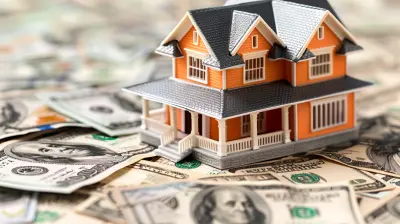
How Mixed-Use Developments Are Redefining Urban Communities
16 February 2026
Urban life is evolving—fast. City skylines are constantly changing, and the way we live, work, and play is shifting right along with them. One of the biggest drivers of this transformation? Mixed-use developments. These aren't just trendy architectural designs or zoning experiments; they're reshaping the very fabric of urban communities.
So, what's all the buzz about? Let's dive into how mixed-use developments are redefining city living and why they're the future of urban design.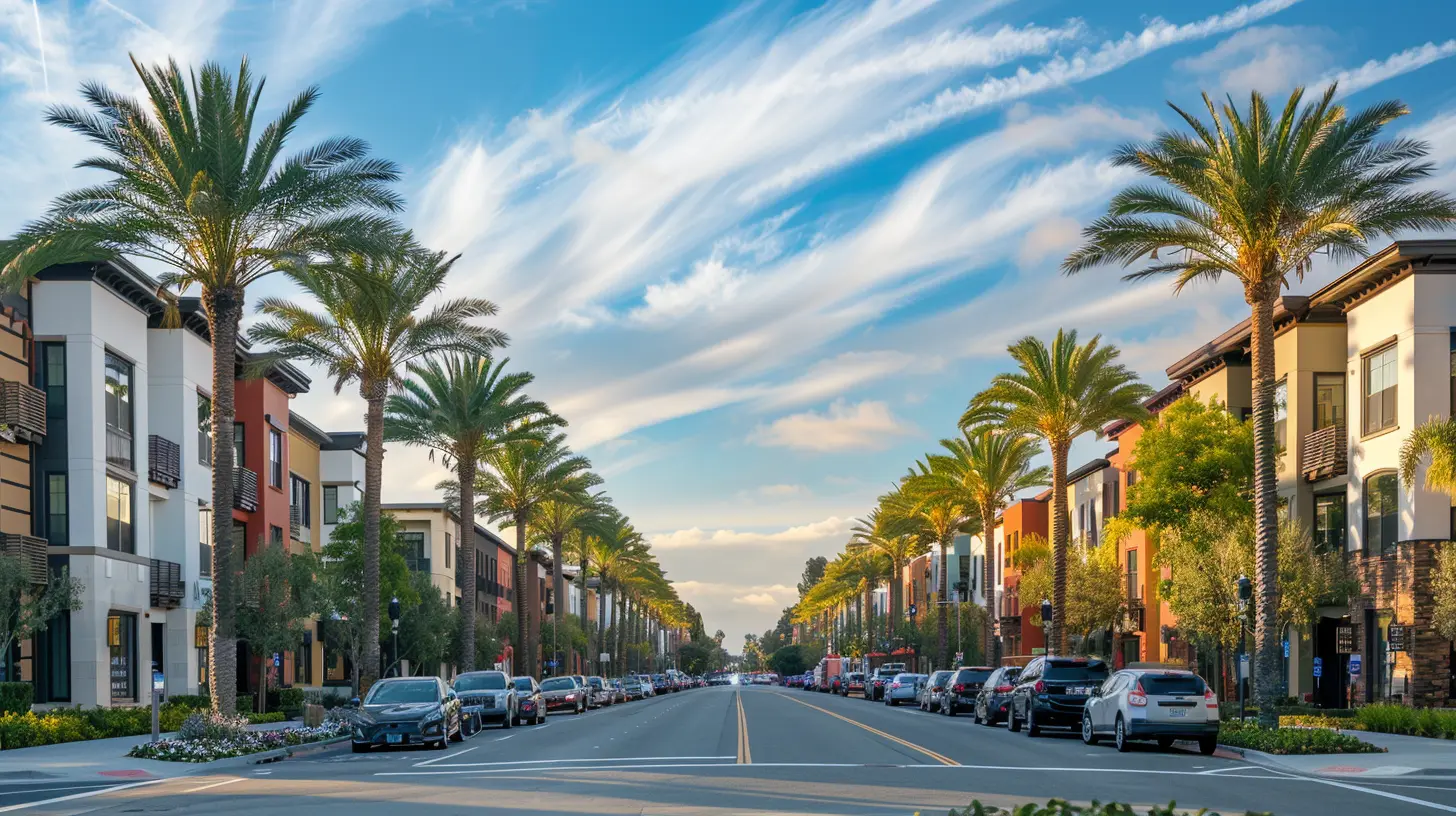
What Are Mixed-Use Developments, Anyway?
Before we get too deep, let’s get clear on what we're talking about.Mixed-use developments combine residential, commercial, cultural, and sometimes industrial uses in one integrated space. Picture this: You live in an apartment above a coffee shop, your gym is around the corner, your office is a five-minute walk away, and there's a park with a weekend market right next door. That's the essence of a mixed-use development.
It’s all about blending functionality, convenience, and community in a single space—urban planning with a pulse.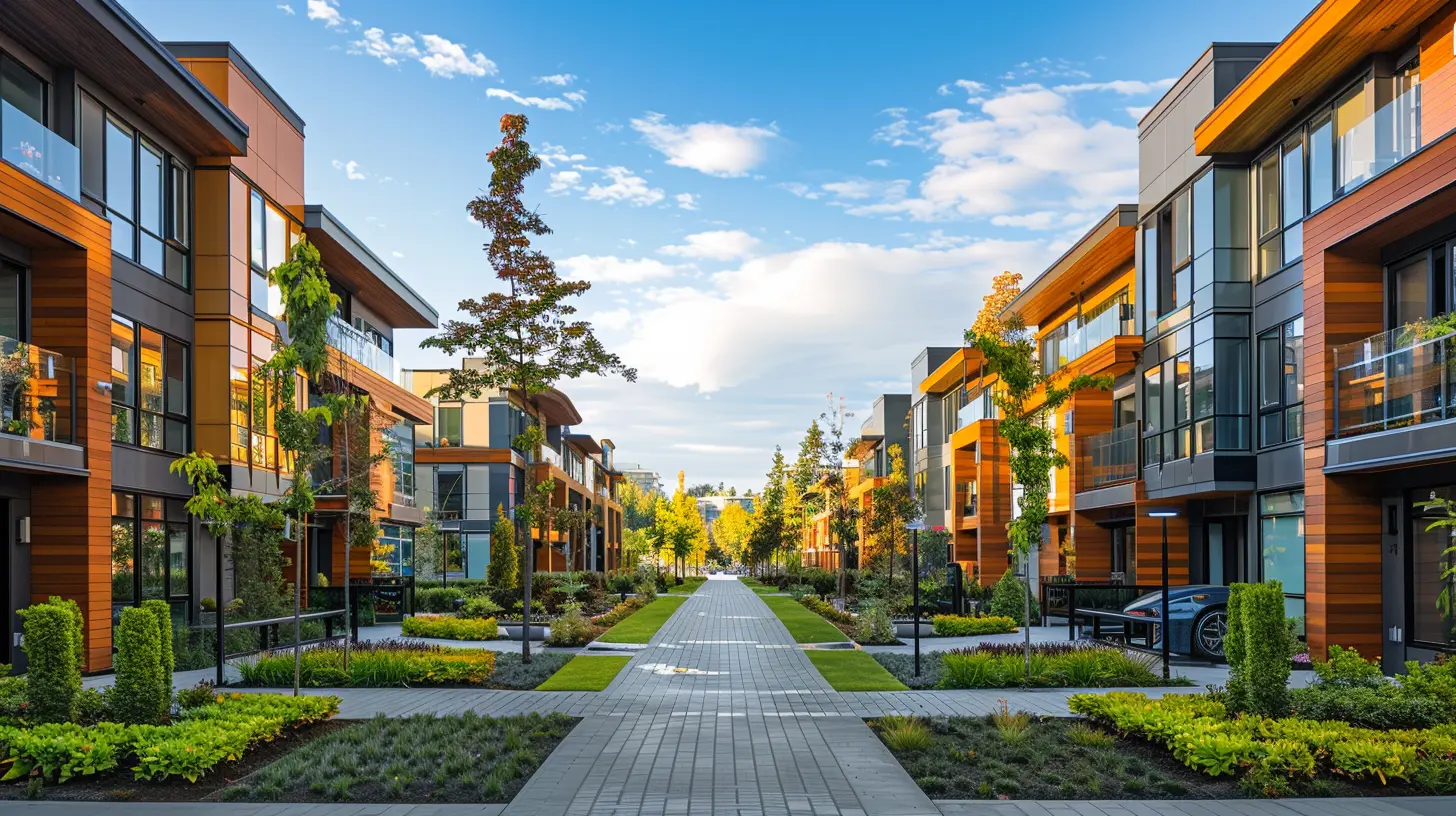
Why Cities Are Embracing Mixed-Use Spaces
Let’s be real—traditional zoning is kind of old-school. Segregating residential areas from commercial and industrial zones made sense in the past, but today’s urban challenges need more flexible, people-first solutions.Mixed-use developments tick a lot of boxes for cities and residents alike. Here’s why they’re catching fire:
1. They Make Cities More Walkable
With everything you need just steps away, who needs a car? These developments encourage walking and biking, reducing traffic congestion and pollution. This isn’t just convenient—it’s also way better for the environment and our health.Think of it as the “15-minute city” idea in action—where everything you need is within a 15-minute walk or bike ride. Pretty appealing, right?
2. They Boost Local Economies
When retail, dining, and residential spaces coexist, local businesses thrive. A built-in customer base lives right upstairs, and foot traffic is practically guaranteed. It's like planting the seeds for an ecosystem where each part feeds the other.3. They Create Vibrant, All-Day Neighborhoods
Ever walked through a business district after 6 p.m.? It’s like a ghost town. But in a mixed-use space, the lights never go out. It’s buzzing with life—morning coffee runs, lunchtime rush, evening yoga classes, and late-night bites.These developments blur the lines between work and life, turning "live-work-play" into a real lifestyle.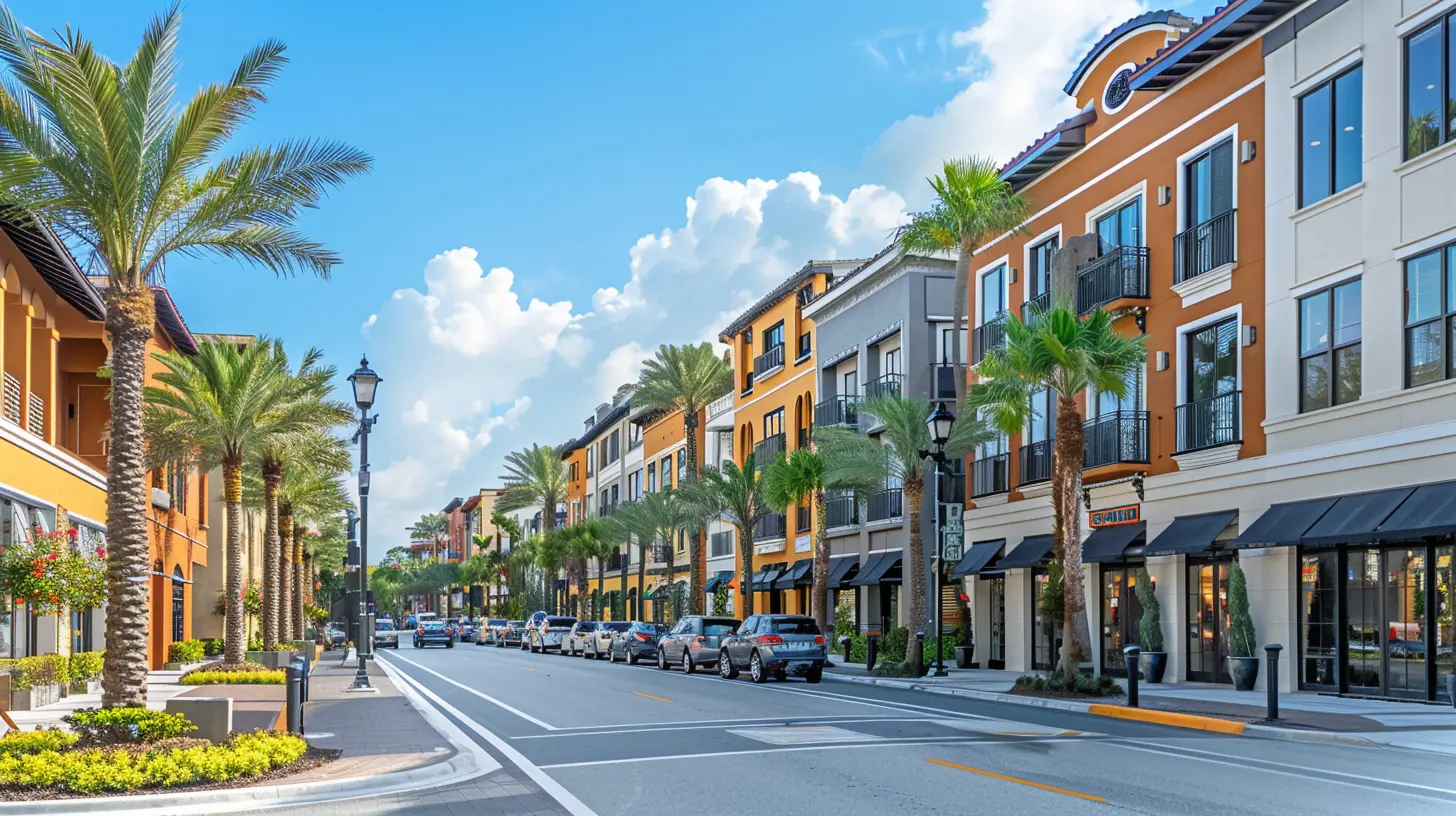
The Human Side: Building Real Communities
Let’s move beyond economics and infrastructure for a sec. At the heart of mixed-use developments is something far more meaningful: human connection.1. Neighbors Actually Know Each Other
Ever lived in a giant apartment building and not known a single neighbor? We’ve all been there.In well-designed mixed-use spaces, the community vibe is stronger. Shared public spaces like courtyards, rooftop gardens, and communal lounges encourage spontaneous interactions. It almost feels like a small town inside the big city.
2. People Feel Safer
Activity around the clock naturally boosts security. When people are out and about all day and night, there's always someone keeping an eye on things. More eyes on the street = less crime. Jane Jacobs would be proud.3. Diverse Communities Thrive
These developments don’t just attract one demographic. From young professionals to families to retirees—everyone can find something that suits them. With different housing options, shops, and services, mixed-use neighborhoods often reflect the diversity of the wider city.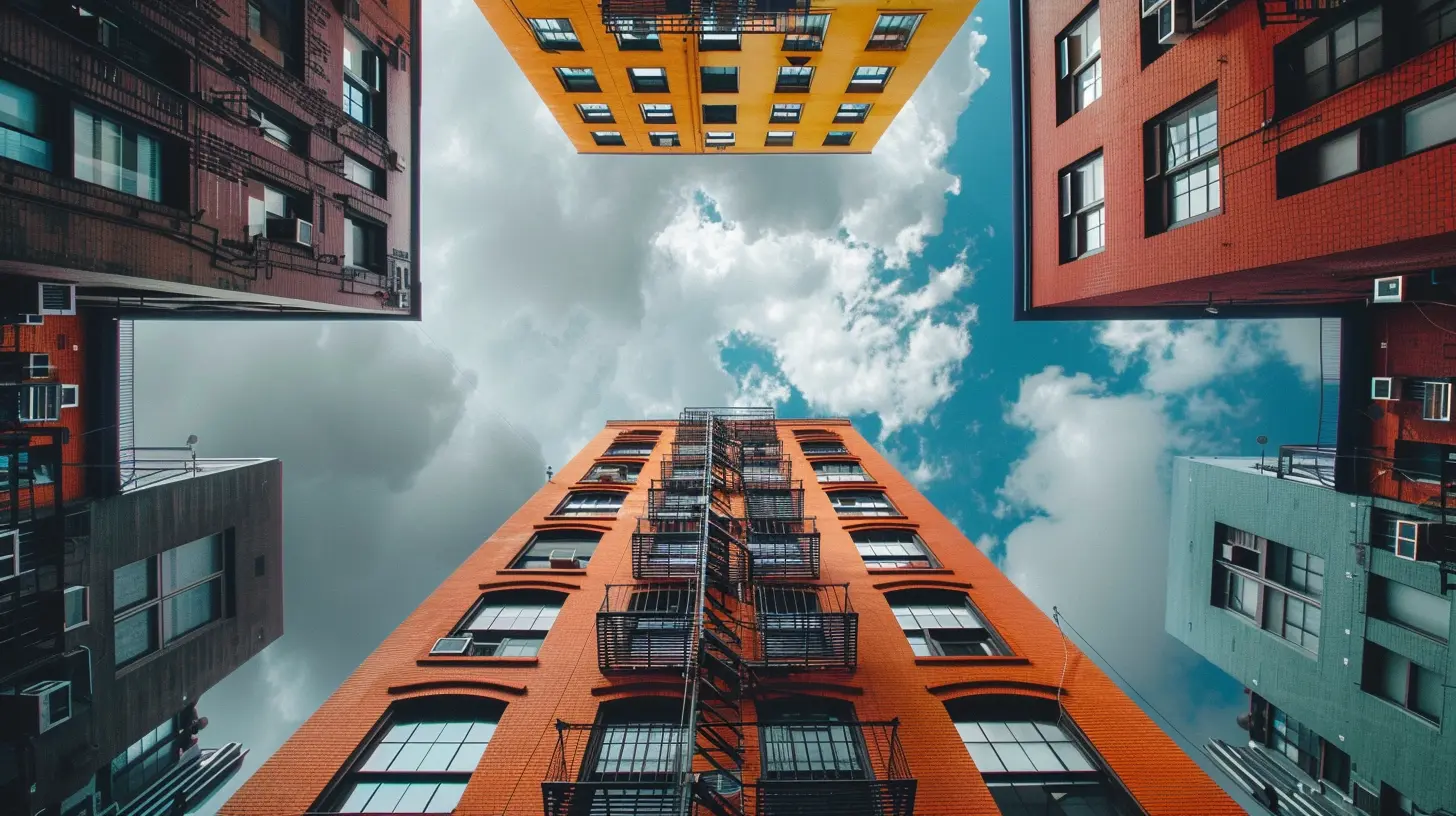
The Rise of the “Third Place”
You’ve got home (first place), and work (second place). But what about that third place? That in-between space where you can chill, connect, or just recharge.Mixed-use developments are full of third places—coffee shops, co-working spaces, parks, and plazas. These spots act like social glue, bringing people together organically. They're the unspoken heroes of community building.
The Sustainability Factor (Green Is the New Black)
Let’s talk about the green elephant in the room—climate change.Mixed-use developments are inherently more sustainable than car-centric suburban sprawl. Here's why:
1. Reduced Carbon Footprint
Fewer car trips = fewer emissions. People walk, bike, or use public transit more often when everything they need is nearby.2. Efficient Land Use
Stacking residential, retail, and other uses in one space is way more efficient than spreading them out across several miles. It means less land consumption and better preservation of green spaces.3. Smart Infrastructure
These projects often include green buildings, energy-efficient systems, and smart tech. Many even incorporate urban farming, solar panels, and stormwater management. Sustainability isn't just an afterthought—it’s baked into the design.Challenges and Criticisms (Yes, They're Not Perfect)
Alright, it’s not all sunshine and organic juice bars. Mixed-use developments come with their own set of challenges.1. Affordability Concerns
Let’s face it—these spaces can get pricey. When areas become trendy and desirable, rents and property values often skyrocket. The risk? Displacement of long-time residents and gentrification.2. Zoning and Bureaucracy Nightmares
The very thing that makes mixed-use spaces unique—combining uses—often runs headfirst into outdated zoning laws. Developers can face a thicket of red tape when trying to bring these visions to life.3. Design Flops
Not all mixed-use projects are created equal. Poorly executed ones can feel generic, congested, or even sterile. Great design matters. If the layout doesn’t encourage flow and interaction, the whole thing can fall flat.The Role of Tech: Smart Cities Start Here
Mixed-use developments are a natural fit for the smart city movement. With sensors, apps, and data-driven design, these neighborhoods can adapt and evolve to meet resident needs in real-time.Imagine:
- An app that shows available parking spots.
- Buildings that adjust temperature based on occupancy.
- Smart waste collection that saves time and money.
Technology turns these spaces into living, breathing ecosystems.
Real-Life Examples That Are Crushing It
Let’s look at a few cities where mixed-use developments are doing more than existing—they’re thriving.1. Hudson Yards – New York City
This mega-development in Manhattan blends luxury residences, office towers, high-end retail, art installations, and the viral sculpture “The Vessel.” It’s a towering example (literally) of how vertical mixed-use design can dominate the skyline.2. The Pearl District – Portland
Once a warehouse neighborhood, the Pearl is now a bustling blend of lofts, art galleries, boutiques, and green spaces. It’s laid-back, walkable, and packed with personality.3. Downtown Disney – Anaheim
Yes, even the Mouse gets mixed-use right. With shopping, dining, entertainment, and lodging in one themed bubble, it’s an immersive (if commercialized) community experience.What’s Next? The Future of Urban Living
We’re entering an era where convenience and community are no longer nice-to-haves—they’re necessities. With more people craving connected, sustainable, and human-centric spaces, mixed-use developments aren't just a trend. They're a blueprint for the cities of tomorrow.Expect to see more:
- Mixed-income housing integrated into developments
- Enhanced public transportation links
- Renewable energy microgrids
- AI-powered parking and logistics
And yes—more rooftop gardens, dog parks, and open-air cafes. Because who doesn’t love a good Sunday brunch under the sun?
Final Thoughts: Why You Should Care
Whether you're a city planner, a real estate investor, or someone dreaming of living somewhere that doesn’t require a car to get groceries, mixed-use developments should be on your radar.They’re making cities more livable, more lovable, and frankly—more fun.
In a world where convenience often comes at the cost of community, mixed-use developments remind us that we can have both. It's not just smarter urban planning—it’s a better way to live.
all images in this post were generated using AI tools
Category:
Urban LivingAuthor:

Lydia Hodge
Discussion
rate this article
2 comments
Layla Rodriguez
Who knew urban living could come with a side of coffee shop and yoga studio? Mixed-use developments are like the perfect blend of urban smoothie—housing, shopping, and leisure all in one tasty cup! Cheers to neighborhoods where you can live, work, and play without missing a beat (or a latte)!
February 19, 2026 at 5:44 AM
Lydia Hodge
Absolutely! Mixed-use developments truly create vibrant, all-in-one communities that enhance urban living. Cheers to the convenience and lifestyle they offer!
Vance McCoy
Mixed-use developments are like urban Swiss Army knives—everything you need in one handy spot! Who knew getting a coffee, buying a book, and finding a yoga class could all happen without changing out of your pajamas? Now that's what I call efficient living!
February 17, 2026 at 5:51 AM
Lydia Hodge
Absolutely! Mixed-use developments truly enhance convenience and community, making urban living more accessible and enjoyable.